






Why Perform Tripindi Shradh in Ujjain?
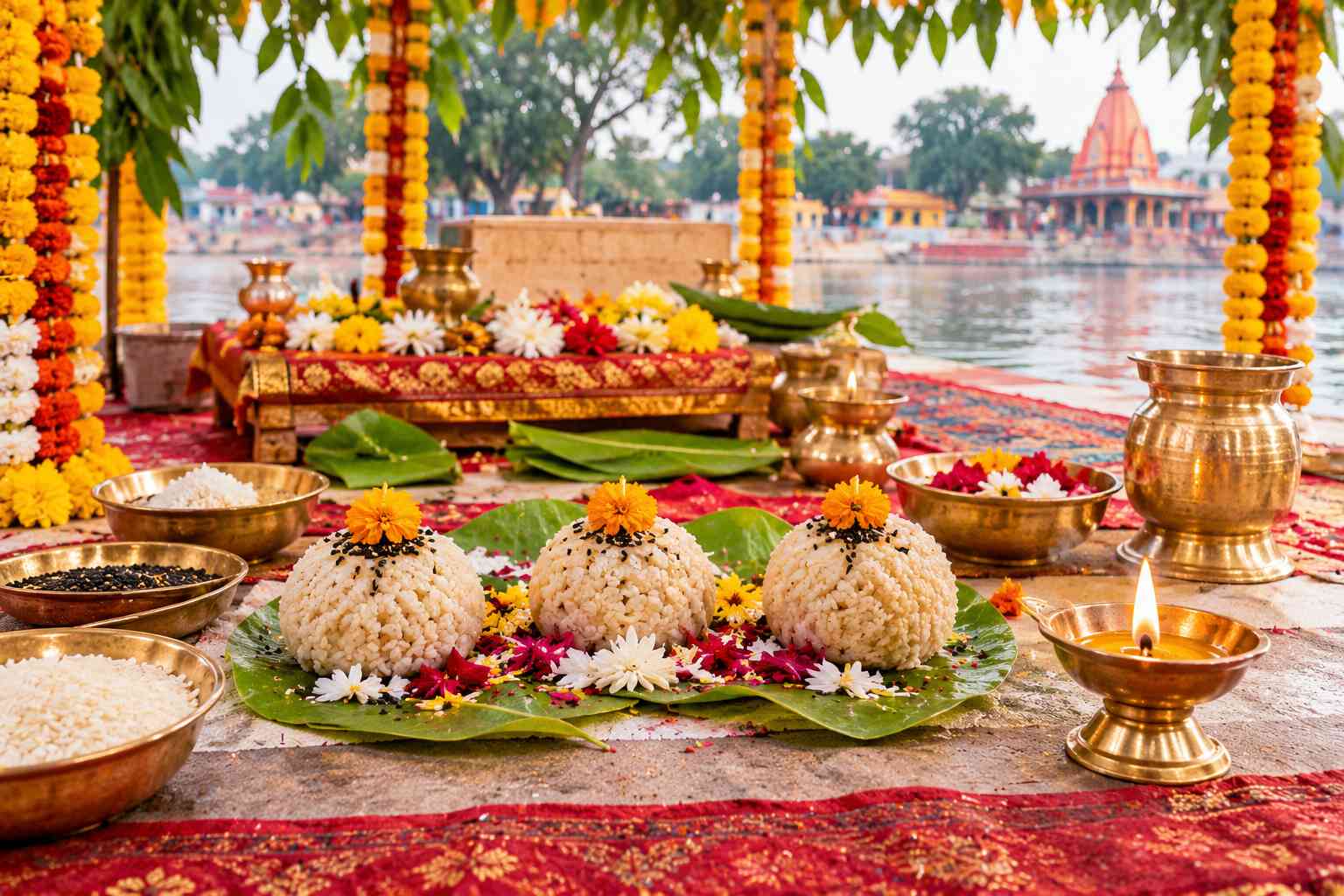
Tri means three and pinda is the offering made to the ancestors. In Tripindi Shradh, pindas are offered for three generations of ancestors together, which is why it is the rite advised when the shradh has been missed for years or the family does not know whose shradh was missed. Ancestral rites are best done at a tirtha, and Ujjain — the city of Baba Mahakal on the bank of the Shipra — is a meritorious place for them. Our pandits perform the puja, pind daan, tarpan and daan on one day with the sankalp in your name and gotra, and you watch live from home.
Tripindi Shradh vs Narayan Bali vs Pitra Dosh Puja
Tripindi Shradh is for shradh missed across years or generations and offers pindas to three generations together. Narayan Bali is for an ancestor who died an untimely or unnatural death. Pitra Dosh Puja is the general rite of shradh, tarpan and pind daan for Pitra Dosh.
For an untimely death see Narayan Bali Puja; for the general rite see Pitra Dosh Puja.
When to Do Tripindi Shradh
Pitru Paksha, Amavasya — especially Sarva Pitru Amavasya — and the ancestors’ tithi are the best times for Tripindi Shradh. It can also be done on other days of the year on an auspicious tithi; our pandits confirm the date from the panchang.
A detailed article on what Tripindi Shradh means, its vidhi and how it differs from Narayan Bali: What Is Tripindi Shradh. Which ancestral rite fits which situation is in this guide.