Puja & Astrology Guides
Expert insights from Vedic pandits in Ujjain
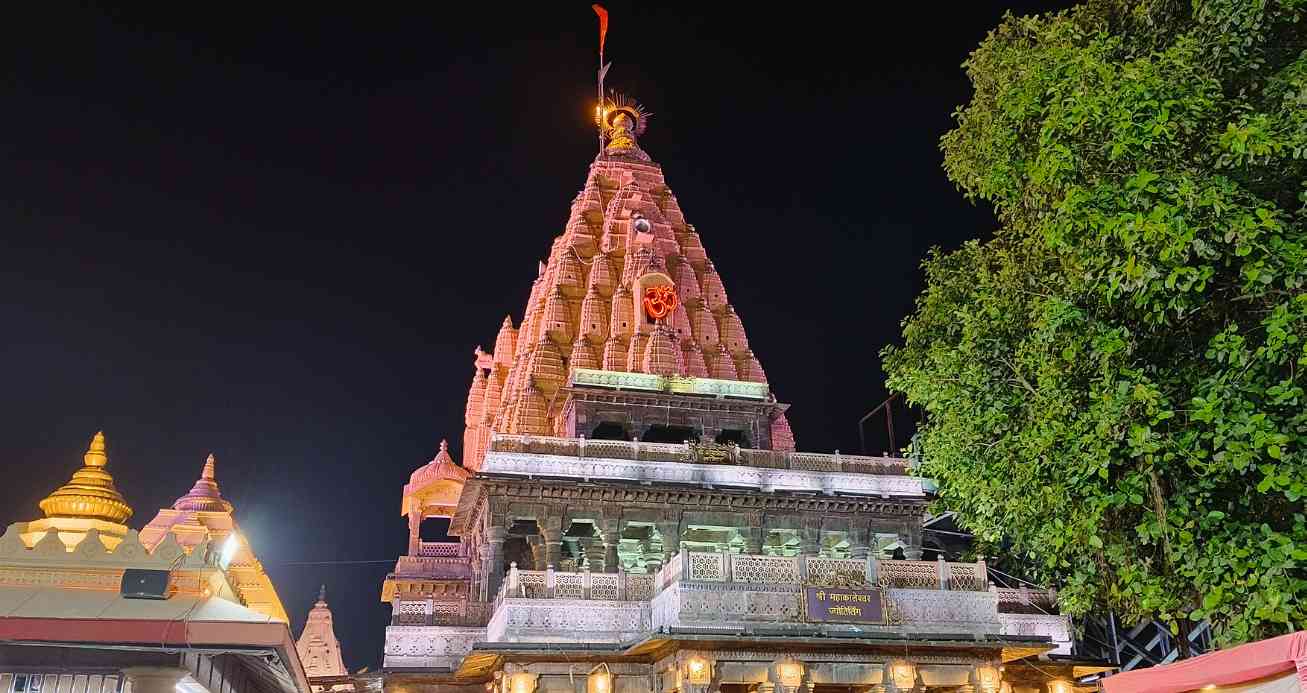
Guru Chandal Dosh Puja — Vidhi & Benefits
Guru Chandal Dosh forms when Jupiter conjoins Rahu or Ketu in the birth chart, clouding judgement and disturbing family harmony. Here is the complete guide to its remedy puja in Ujjain — vidhi, cost, and best days.
Read Article →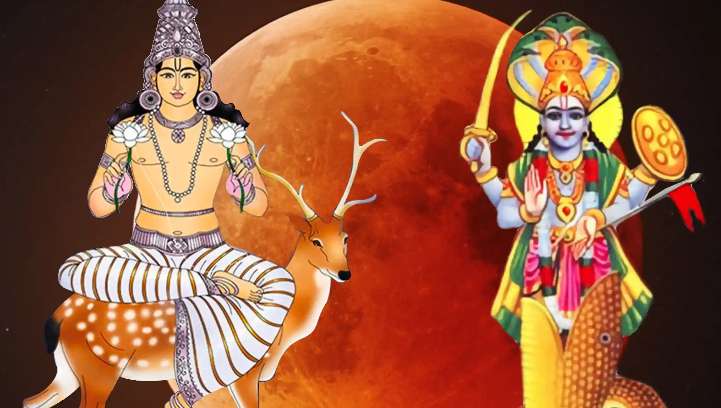
Angarak Dosh Puja — Meaning, Effects & Vidhi
When Mars and Rahu conjoin in the birth chart, jyotish reads it as a combustive combination — anger, accidents, and conflict that return without clear cause. Here is the complete guide to Angarak Dosh and its puja remedy in Ujjain.
Read Article →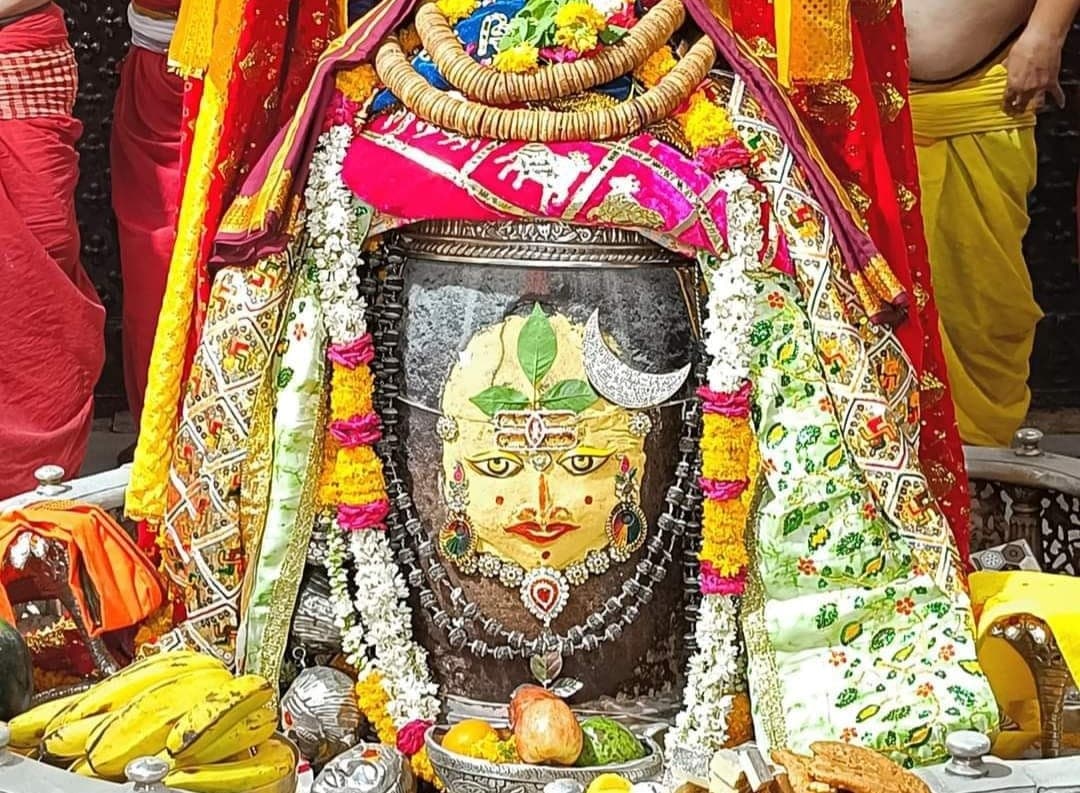
Sawa Lakh Mahamrityunjay Jaap Ke Fayde — Benefits, Days & When 1.25 Lakh Is Really Needed
Sawa lakh is the purna, the complete count of the Mahamrityunjay Jaap — and because it is the largest, it is also the one most often sold to frightened families who did not need it. Here is what it is for, what it should cost, and how to tell whether your situation calls for it.
Read Article →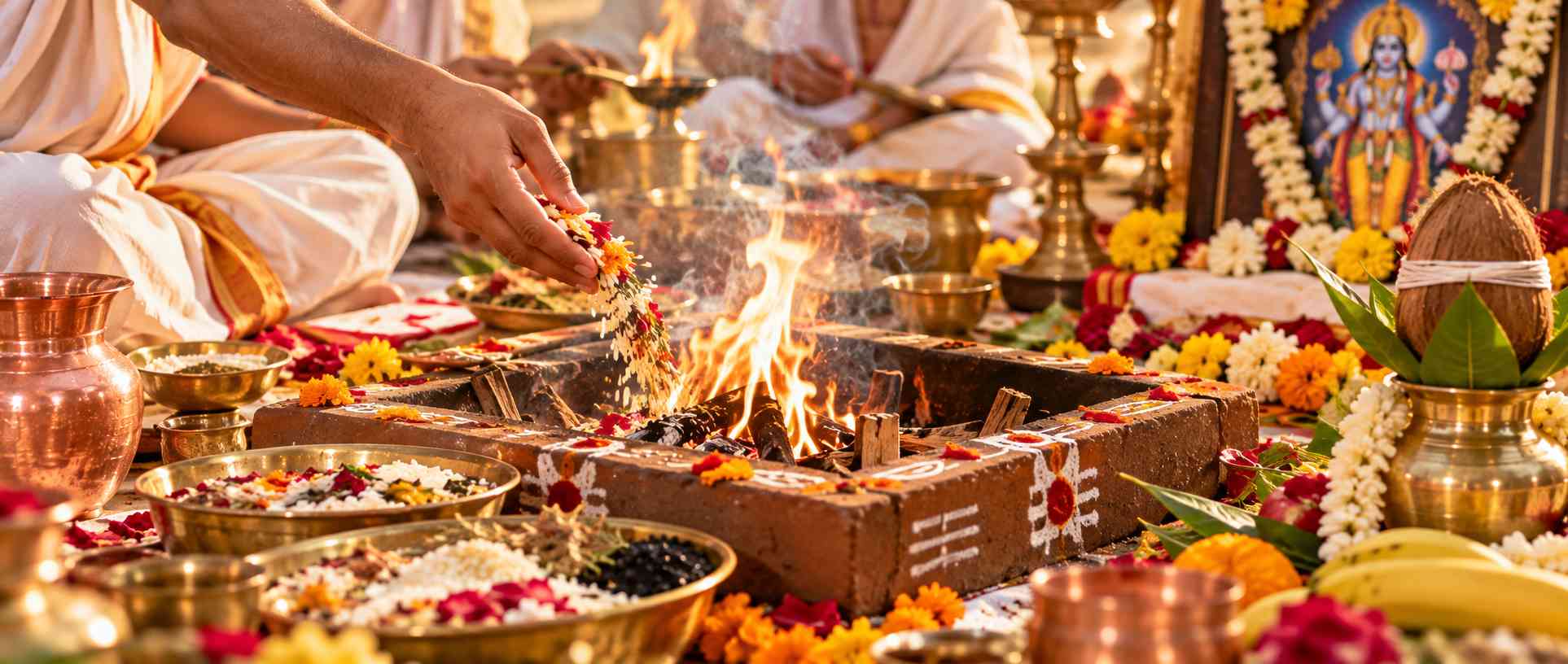
Narayan Bali Puja Kya Hai? Vidhi, When It Is Done & Difference From Pitra Dosh Puja
Narayan Bali is the traditional rite for ancestors who died untimely or whose last rites were missed — and it is often confused with Pitra Dosh Puja and Narayan Nagbali. Here is what it is, when it is advised, the vidhi, and how to book it.
Read Article →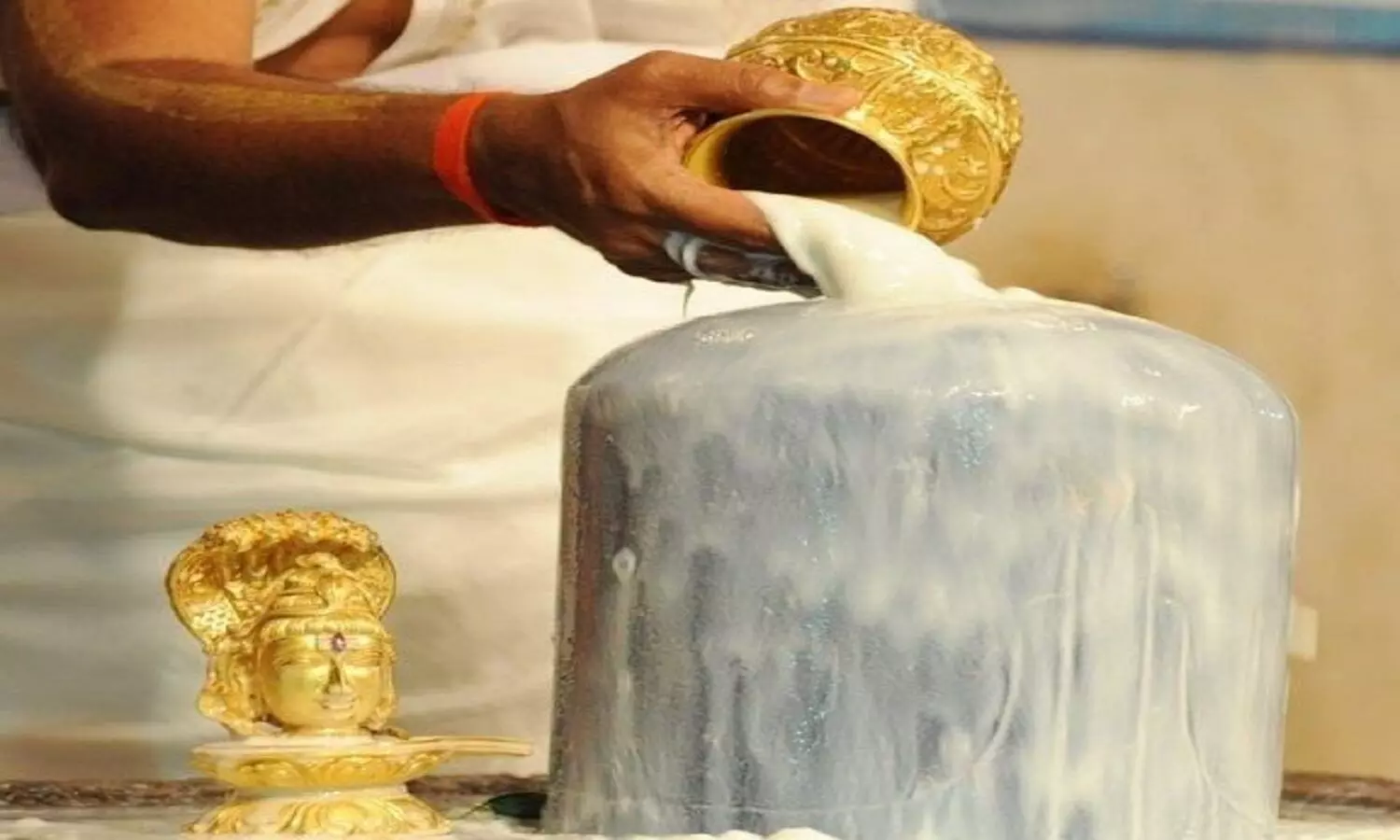
Rudrabhishek — Vidhi, Benefits & Best Days (2026)
Rudrabhishek — the sacred bathing of the Shivling with mantras of the Rudrashtadhyayi — is the highest form of Shiva worship, and Ujjain is its most powerful seat. Here is the complete guide: vidhi, cost, benefits, and the best days to book.
Read Article →Mahamrityunjaya Jaap — 11,000 / 51,000 / 1.25 Lakh Counts & Benefits
The Mahamrityunjaya mantra is the Vedas' great prayer for protection from untimely death and grave illness. Here is the complete guide to having the jaap performed in Ujjain — what the 11,000, 51,000 and 1.25 lakh counts mean, what each costs, and how the vidhi works.
Read Article →
Navgrah Shanti Puja Vidhi — Signs & When You Need It
When several planets trouble a kundali at once, the shastras prescribe one comprehensive remedy: Navgrah Shanti. Here is the full guide to having it performed in Ujjain — signs, vidhi, cost, and best days.
Read Article →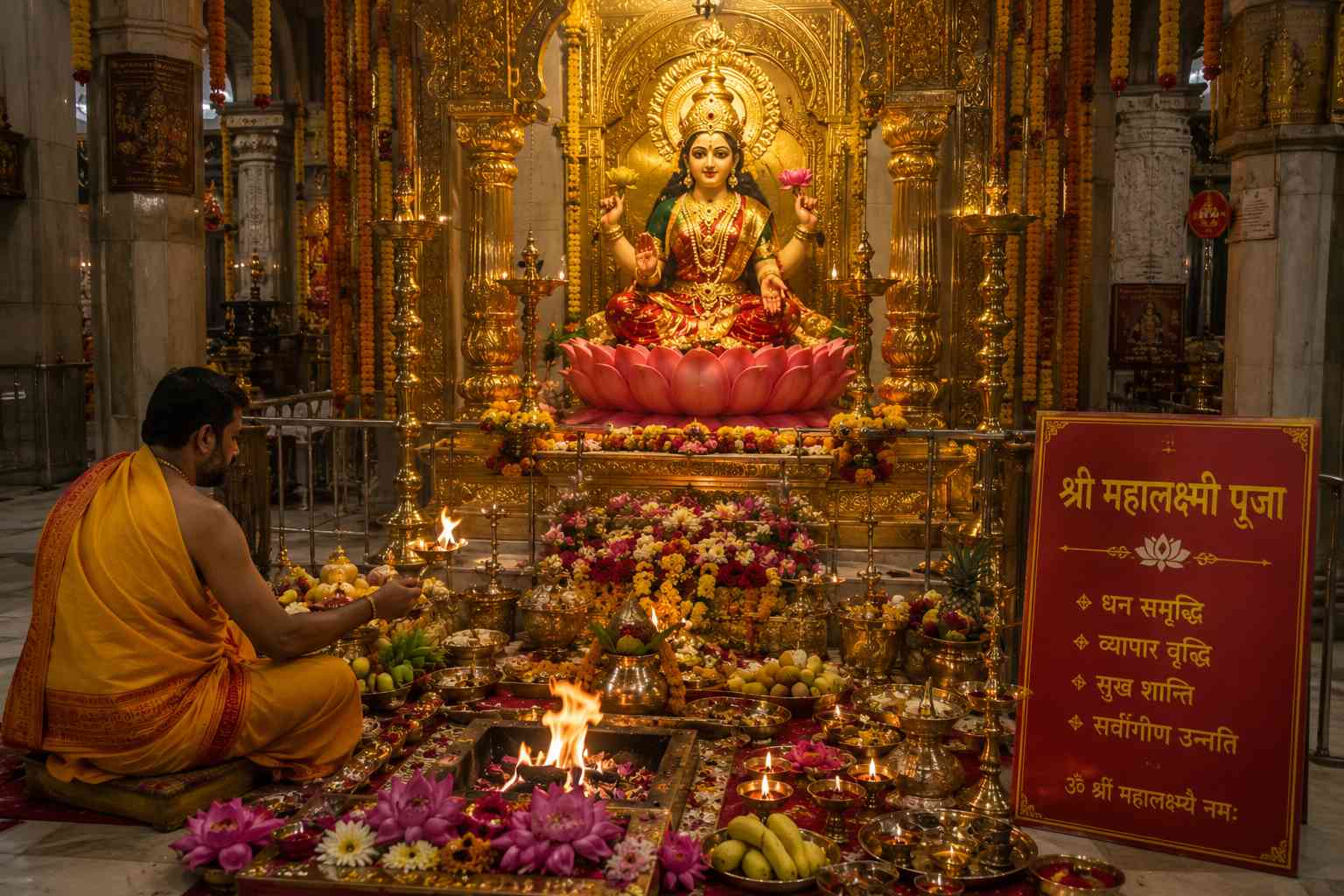
Dhanteras 2026 Date: 6 or 7 November? Kab Hai Dhanteras — Sahi Tarikh aur Shubh Muhurat
Some calendars say 6 November, some say 7. Both dates touch Trayodashi, but only one evening does — and Dhanteras is decided by the evening. Here is the correct date, the muhurat, and when you can still shop on the 7th.
Read Article →Mujhe Online Mahamrityunjay Jaap Karwana Hai — How to Book It, What Happens, Cost
"Mujhe online Mahamrityunjay jaap karwana hai" — most people who type this are worried about someone's health and cannot travel. Here is exactly how an online jaap works, which count to choose, what you need to give, what you see on the day, and what it costs.
Read Article →Video Call Se Mahamrityunjay Jaap — How the Live Call Works, What You See, Is It Valid
You cannot be in Ujjain, but you want to see the jaap being done in your name. Here is how the live video call works from the first word of the sankalp to the last ahuti of the havan — and why a jaap you watch on a call is complete.
Read Article →Ghar Baithe Mahamrityunjay Jaap Kaise Book Kare — Step-by-Step Online Booking, Cost, Payment
Booking a Mahamrityunjay Jaap from home takes about five minutes. Here is every step — what to choose, what details to keep ready, how to pay, what you receive after booking, and what to do if the date has to change.
Read Article →Dhanteras Par Kya Karna Chahiye — What to Do and Not Do on Dhanteras 2026
Dhanteras is a day of small, deliberate acts — a clean home, one new thing bought, a lamp for Dhanvantari and one for Yama. Here is what to do through the day on 6 November 2026, and what families avoid.
Read Article →Dhanteras Par Kya Kharide — What to Buy and Not Buy on Dhanteras 2026
On Dhanteras every family buys one new thing for the home. What is traditionally bought and why, what to buy if the budget is small, when to shop on 6 November 2026 — and what is not bought on the day.
Read Article →Dhanteras Par Jhadu Kyon Kharidte Hain — Buying, Keeping and Using the Broom
The humblest Dhanteras purchase carries one of its oldest beliefs: the broom as Lakshmi. Why it is bought, how many, how it is worshipped and kept, and what happens to the old one.
Read Article →Dhanteras Par Kitne Diye Jalaye — How Many Diyas to Light and Where, Dhanteras 2026
Dhanteras is the first night of lamps. How many to light, where each one goes, which faces south and why, and which oil — for the evening of 6 November 2026.
Read Article →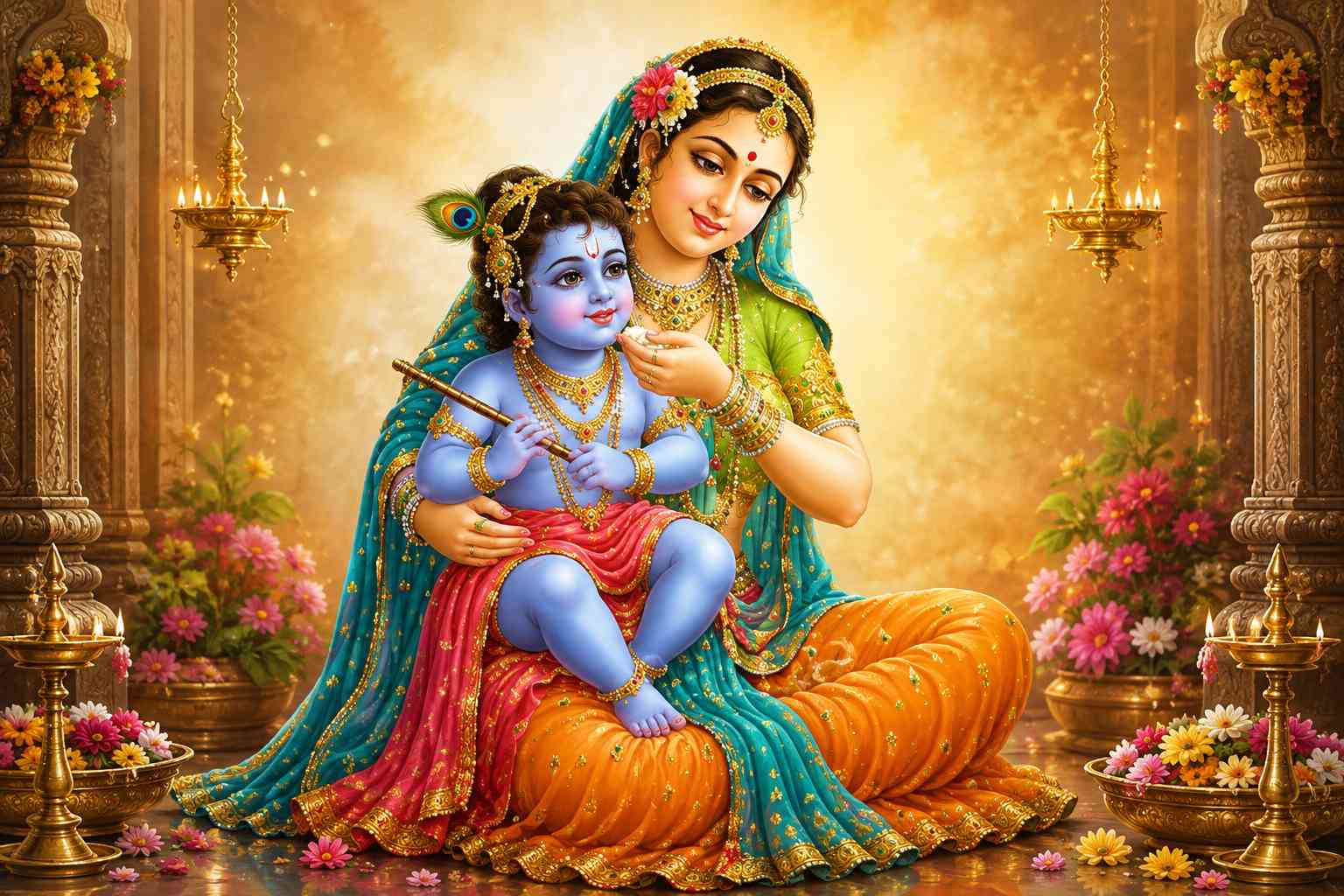
Santan Gopal Puja: Vidhi, Mantra, Jaap Sankhya, Samagri, Benefits & How to Book
Everything families ask about Santan Gopal Puja — the mantra, how many times it is chanted, the vidhi and samagri, the best days, the benefits in tradition, and how to book the jaap online.
Read Article →How to Find a Genuine, Experienced Astrologer Online — 8 Checks Before You Pay
Anyone can call themselves an astrologer online. Eight plain checks — how the chart is read, how the fee works, what they say about doshas and gemstones — separate an experienced Vedic astrologer from a sales script.
Read Article →What to Ask an Astrologer: 30 Questions for Marriage, Career, Money and Health
Thirty questions that get real answers from a kundli — on marriage, career, money, health, doshas, remedies and timing — and how to phrase them so a consultation is worth its fee.
Read Article →Vedic vs Western Astrology: 7 Real Differences (and Why Your Sign May Change)
Different zodiacs, a different lead sign, 27 nakshatras, dasha periods and remedies — the seven differences between Vedic and Western astrology, and why your sign in a Vedic chart is usually one sign earlier.
Read Article →When Will I Get Married? How Marriage Timing Is Read in a Kundli
No single rule says when you will marry. A Vedic astrologer reads the promise in the 7th house, Venus, Jupiter and the navamsa, and the timing in the dasha and transits — here is how, and what a delay usually means.
Read Article →Navgrah Mantra Jaap Sankhya — Beej Mantra and Jaap Count for All Nine Planets
Seven thousand for the Sun, twenty-three thousand for Saturn — every graha has its own jaap count. All nine beej mantras, counts and days in one table.
Read Article →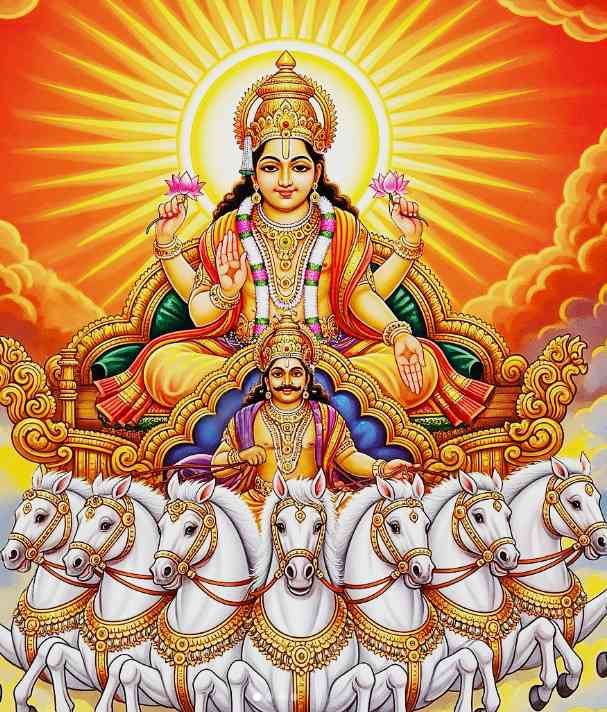
Surya Beej Mantra Jaap — 7,000 Count, Vidhi, Benefits and Booking in Ujjain
Om Hraam Hreem Hraum Sah Suryaya Namah — 7,000 times. The Sun’s beej mantra, when its jaap is prescribed, and how it is performed in Ujjain.
Read Article →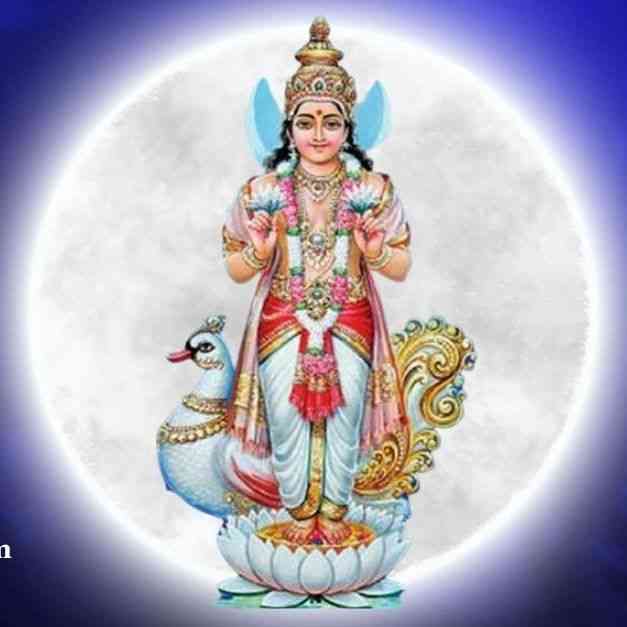
Chandra Beej Mantra Jaap — 11,000 Count, Vidhi, Benefits and Booking in Ujjain
Om Shraam Shreem Shraum Sah Chandramase Namah — 11,000 times. The Moon’s beej mantra, when its jaap is prescribed, and how it is performed in Ujjain.
Read Article →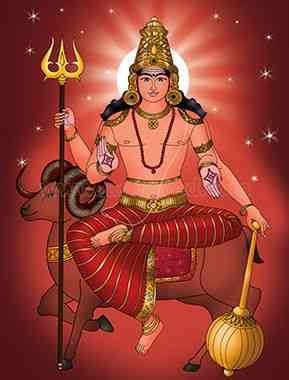
Mangal Beej Mantra Jaap — 10,000 Count, Vidhi, Benefits and Booking in Ujjain
Om Kraam Kreem Kraum Sah Bhaumaya Namah — 10,000 times. The beej mantra of Mars, when its jaap is prescribed, and how it is performed in Ujjain.
Read Article →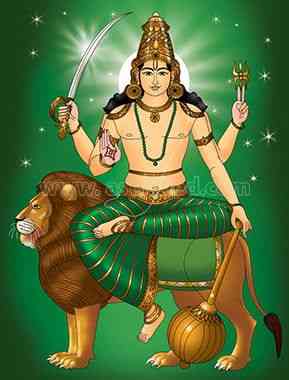
Budh Beej Mantra Jaap — 9,000 Count, Vidhi, Benefits and Booking in Ujjain
Om Braam Breem Braum Sah Budhaya Namah — 9,000 times. The beej mantra of Mercury, when its jaap is prescribed, and how it is performed in Ujjain.
Read Article →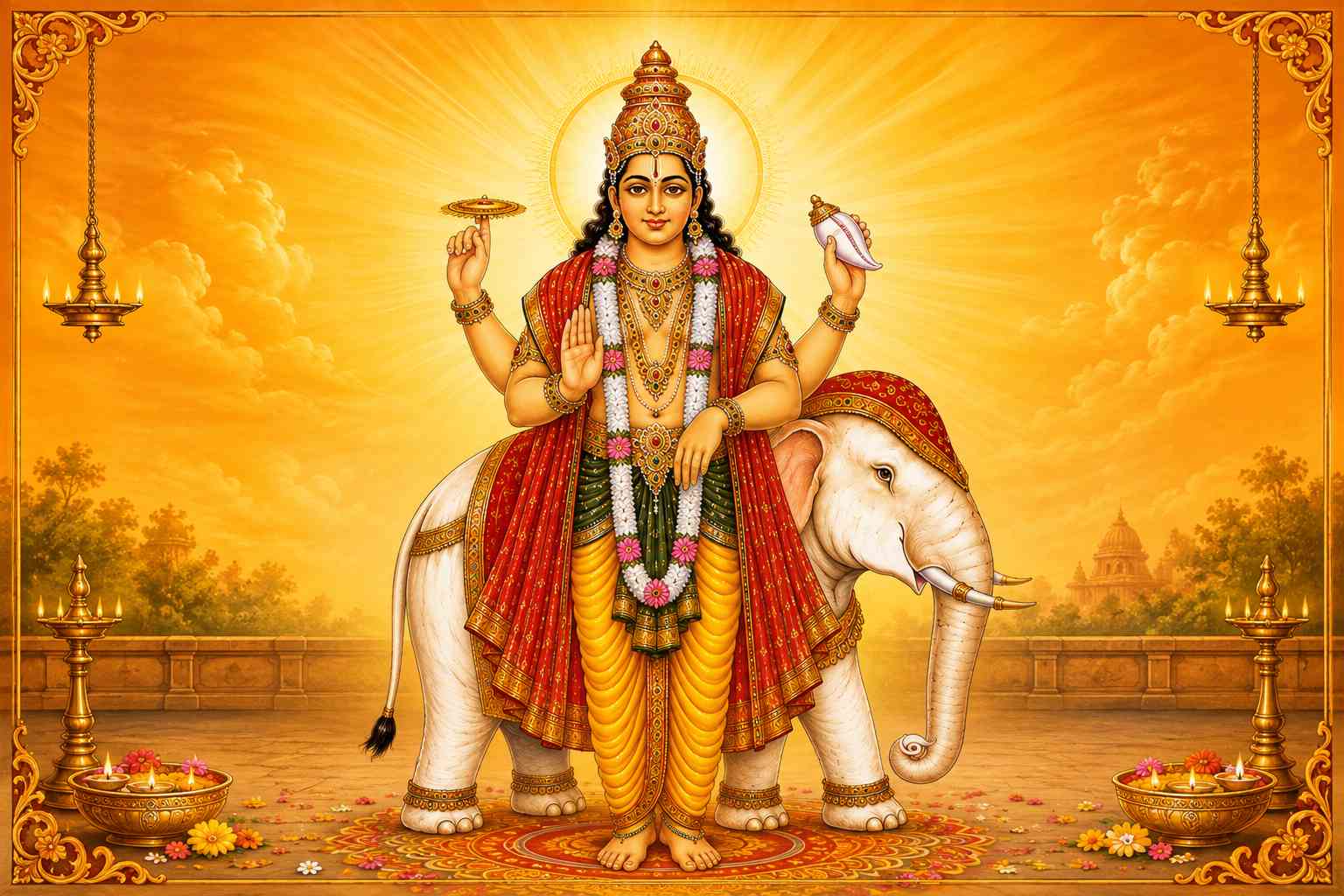
Guru Beej Mantra Jaap — 19,000 Count, Vidhi, Benefits and Booking in Ujjain
Om Graam Greem Graum Sah Gurave Namah — 19,000 times. The beej mantra of Jupiter, when its jaap is prescribed, and how it is performed in Ujjain.
Read Article →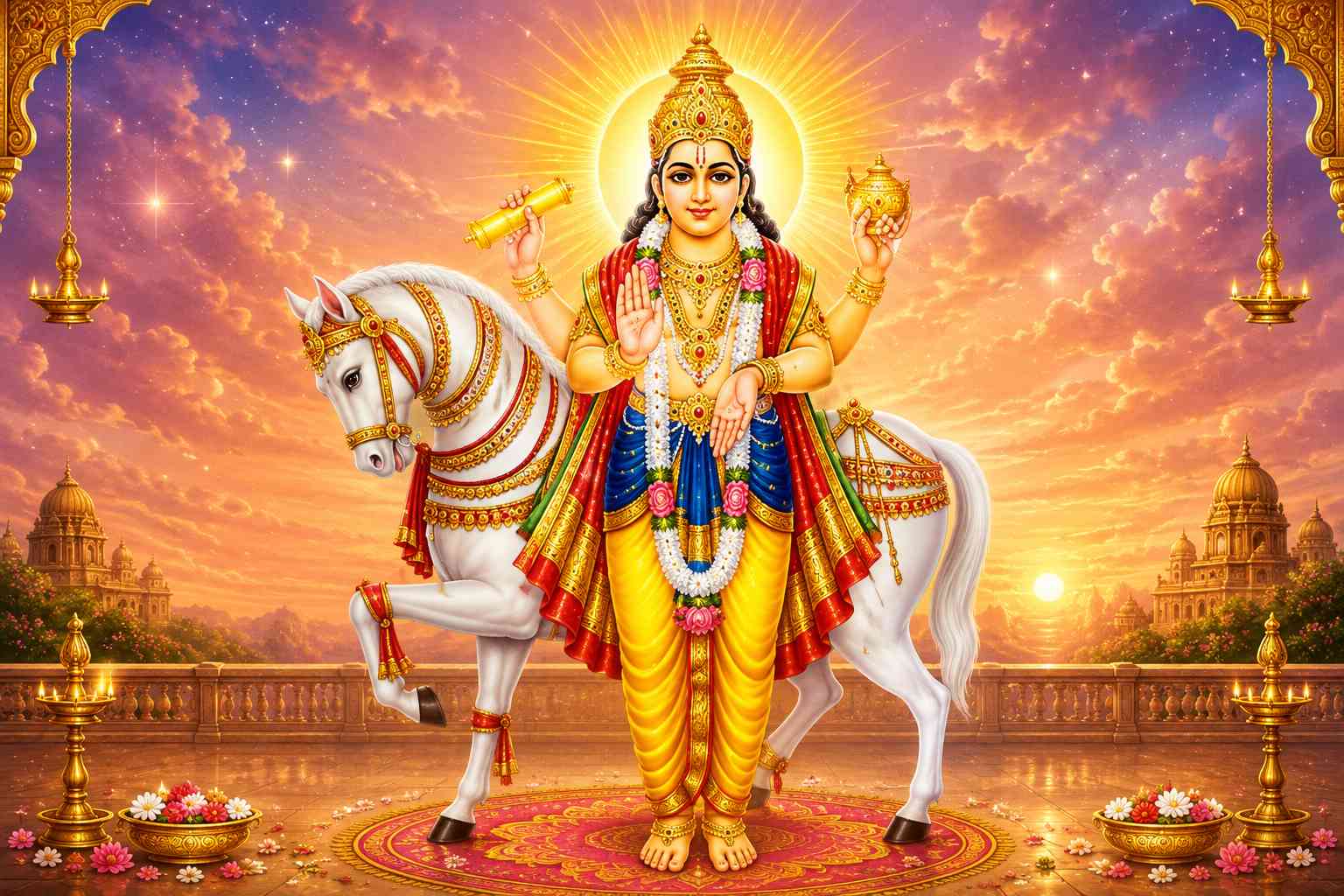
Shukra Beej Mantra Jaap — 16,000 Count, Vidhi, Benefits and Booking in Ujjain
Om Draam Dreem Draum Sah Shukraya Namah — 16,000 times. The beej mantra of Venus, when its jaap is prescribed, and how it is performed in Ujjain.
Read Article →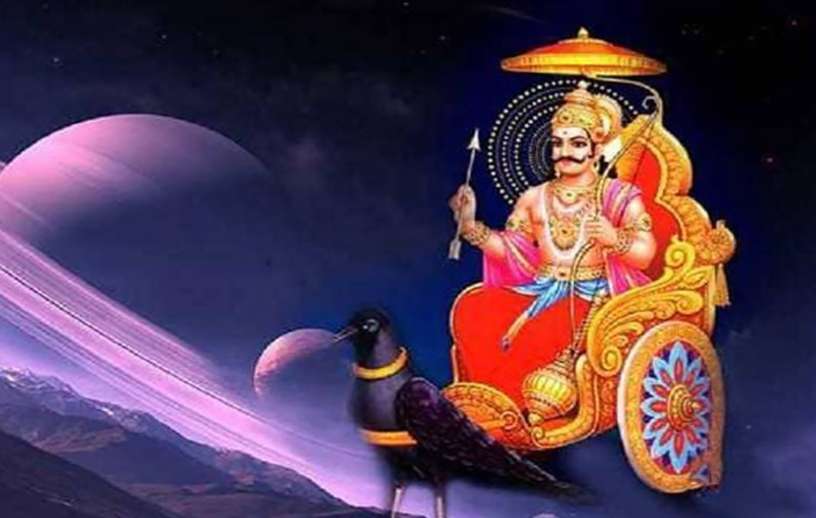
Shani Beej Mantra Jaap — 23,000 Count, Vidhi, Benefits and Booking in Ujjain
Om Praam Preem Praum Sah Shanaishcharaya Namah — 23,000 times. Saturn’s beej mantra, when its jaap is prescribed in Sade Sati and Dhaiya, and how it is performed in Ujjain.
Read Article →
Rahu Beej Mantra Jaap — 19,000 Count, Vidhi, Benefits and Booking in Ujjain
Om Bhraam Bhreem Bhraum Sah Rahave Namah — 19,000 times. Rahu’s beej mantra, when its jaap is prescribed, and how it is performed in Ujjain.
Read Article →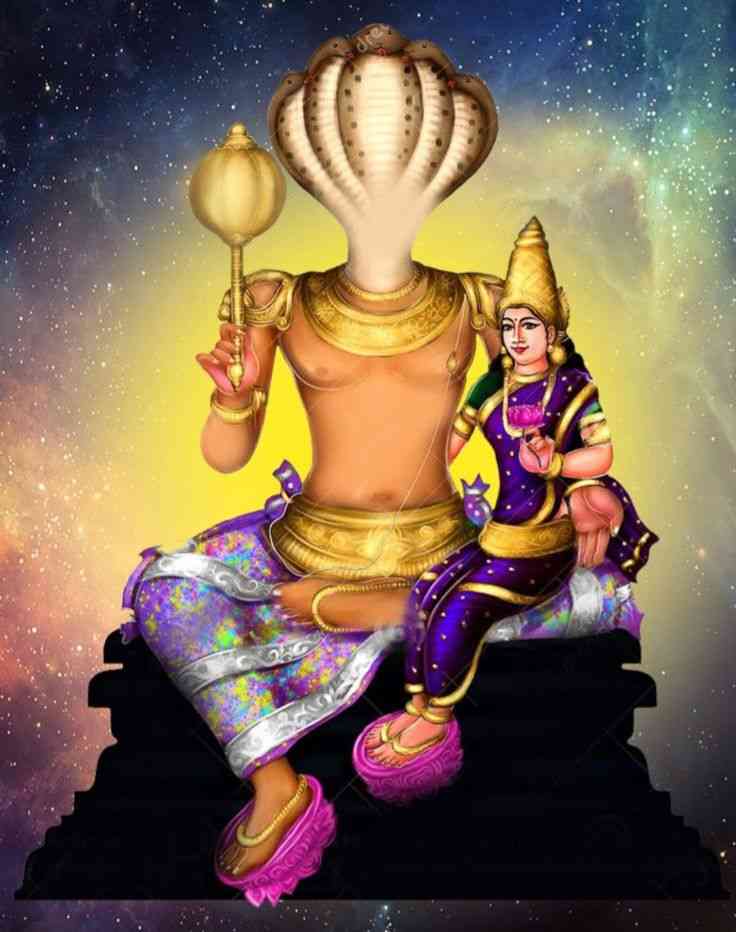
Ketu Beej Mantra Jaap — 18,000 Count, Vidhi, Benefits and Booking in Ujjain
Om Sraam Sreem Sraum Sah Ketave Namah — 18,000 times. Ketu’s beej mantra, when its jaap is prescribed, and how it is performed in Ujjain.
Read Article →Which Puja Is Best for Health and Recovery From Illness? The Maha Mrityunjaya Jaap
When health is the worry — your own or a parent’s — the puja tradition turns to first is the Maha Mrityunjaya Jaap. Here is why, which of its three counts fits your situation, and what it can and cannot be.
Read Article →Which Puja to Do When Someone Is in the ICU or Has Surgery Tomorrow
When the call comes from the ICU, or the operation is set for tomorrow morning, there is little time and one question: is there anything we can do? Here is what tradition prescribes, what to do tonight, and how to arrange the jaap for tomorrow.
Read Article →Which Puja to Do for Heart Disease — Maha Mrityunjaya Jaap and Surya Shanti
A heart attack, a blocked artery, a bypass date — for heart trouble the tradition turns first to the Maha Mrityunjaya Jaap, and looks to the Sun in the kundli. Here is what to do, and in what order.
Read Article →Which Puja to Do for Kidney Disease and Dialysis — Maha Mrityunjaya Jaap and Shukra Shanti
Dialysis three times a week, a creatinine report that will not come down, a transplant being planned — for kidney illness the tradition turns to the Maha Mrityunjaya Jaap and looks to Venus in the kundli.
Read Article →Which Puja to Do for Diabetes (Sugar) — Maha Mrityunjaya Jaap and Guru Shanti
Diabetes is a long illness, lived with day by day. Tradition’s answer is the Maha Mrityunjaya Jaap for health, and a look at Jupiter in the kundli — alongside the medicine and the diet, never instead of them.
Read Article →Which Puja to Do for Depression, Anxiety and Mental Illness — Maha Mrityunjaya Jaap and Chandra Shanti
A mind that will not settle, sleep that will not come, a heaviness that will not lift — tradition ties these to the Moon, and turns to the Maha Mrityunjaya Jaap. Alongside a doctor or counsellor, never instead.
Read Article →Which Puja to Do for Paralysis, Stroke and Joint Disease — Maha Mrityunjaya Jaap and Shani Shanti
A stroke changes a family overnight; arthritis wears it down for years. Tradition ties both to Saturn and turns first to the Maha Mrityunjaya Jaap — alongside the treatment and physiotherapy, never in place of them.
Read Article →Which Puja to Do for Skin Disease — Maha Mrityunjaya Jaap and Budh Shanti
Skin trouble that keeps coming back wears on a person in ways others do not see. Tradition ties the skin to Mercury and turns to the Maha Mrityunjaya Jaap — alongside the dermatologist’s treatment, never instead of it.
Read Article →Dhanteras 2026: Date, Puja Muhurat, Yam Deepdaan and What to Buy
Dhanteras opens Diwali. In 2026 it falls on Friday, 6 November — the day of Dhanvantari, of Kuber and Lakshmi, and of the lamp lit for Yama. Here is when to do the puja, how, and what to buy.
Read Article →Roop Chaudas 2026 (Narak Chaturdashi): Date, Abhyang Snan Muhurat and Vidhi
In 2026 Roop Chaudas — Narak Chaturdashi — falls on Sunday, 8 November, the same day as Diwali; Kali Chaudas is the night before. Here is why, the bath muhurat, and how the day is kept.
Read Article →Diwali 2026: Lakshmi Puja Muhurat, Puja Vidhi and the Five Days of Deepavali
Diwali falls on Sunday, 8 November 2026. Here is the Lakshmi Puja muhurat, how the puja is done at home, and the dates of all five days of Deepavali.
Read Article →Masik Shivratri 2026–27: November and December Dates, Nishita Kaal, Vrat Vidhi
Every month, on the Chaturdashi of the waning moon, comes a Shivratri. The next ones fall on Saturday 7 November and Monday 7 December 2026. Here are the dates through June 2027, the midnight puja time, and how the vrat is kept.
Read Article →Bimari Me Kaun Si Puja Karwani Chahiye? The Puja for Illness — Maha Mrityunjaya Jaap
When someone in the family falls ill, the question comes quickly: is there a puja for this? Tradition gives one answer above all others — the Maha Mrityunjaya Jaap. Here is why, and which count to choose.
Read Article →Cancer, Surgery Ya Gambhir Bimari Me Kaun Si Puja Karwani Chahiye? Maha Mrityunjaya Jaap — 51,000 or Sawa Lakh
A cancer diagnosis, an operation date, a call from the ICU — these are the moments families most often ask which puja to have done. Tradition’s answer is the Maha Mrityunjaya Jaap at its larger counts. Here is how it is done, and when.
Read Article →
Navratri 2026 Kab Hai: Sharad Navratri Dates, Ghatasthapana and the Nine Days
Sharad Navratri 2026 begins on Sunday 11 October. Durga Ashtami is on Monday 19 October, Navami runs into the morning of Tuesday 20 October, and Dussehra is that same Tuesday. Here is each day with its tithi and Devi, and what is done on the days that matter most.
Read Article →Navratri Vrat Vidhi and Niyam: Kalash Sthapana, What to Eat, and the Rules of the Nine Days
Nine days, one kalash, one lamp. A plain account of how the Navratri vrat is kept at home — setting the kalash, the daily worship, the food rules, and how the fast is closed.
Read Article →Navdurga: The Nine Forms of Durga, Day by Day — Meaning, Mantra and Bhog
Each day of Navratri belongs to one form of the Devi. Who the nine are, what each represents, the mantra said on her day and the bhog she is offered.
Read Article →Durga Saptashati Path: What the Text Is, Its Thirteen Chapters, and How It Is Recited in Navratri
Seven hundred verses, thirteen chapters, three battles. What the Durga Saptashati contains, the order in which it is recited, and how the chapters are spread across the days of Navratri.
Read Article →Chandi Path, Navchandi and Shatchandi: What Is the Difference?
The names are counts. One recitation of the Saptashati is a Chandi Path; nine make a Navchandi; a hundred, a Shatchandi. What changes as the number grows, and how to tell which is meant for you.
Read Article →Kanya Pujan Vidhi: How Kanjak Is Done on Ashtami and Navami (2026 Dates)
On Ashtami or Navami the Devi is worshipped in the form she is easiest to see: a young girl. How kanya pujan is done, who is invited, what is served, and the 2026 dates.
Read Article →Navratri in Ujjain: Harsiddhi Shaktipeeth, Gadhkalika and the City’s Devi Temples
Ujjain is Shiva’s city, and also a Shaktipeeth. In Navratri the two tall lamp pillars at Harsiddhi are lit every evening — here is what to see at the city’s Devi temples and how to plan the visit.
Read Article →Maha Navami 2026 Kab Hai: 19 or 20 October? Navami Tithi Time, Kanya Pujan, Havan and Parana
Some calendars print Navami on 19 October and others on 20 October. Both are right. Here is the Navami tithi time for 2026, and which rite belongs to which day.
Read Article →Rahu Ke Upay: Simple Remedies for a Troubled Rahu, and What Each One Means
Rahu has no body, only appetite — and the remedies the tradition gives for it are mostly about steadiness: one mantra, one day of the week, a few acts of giving. Here is what to do, on which day, and how much of the popular advice is scripture and how much is custom.
Read Article →Ketu Ke Upay: Remedies for Ketu, the Graha of Letting Go
Ketu takes things away — and the tradition reads that as a teaching rather than a punishment. These are the remedies given for a troubled Ketu: the mantra, the worship of Ganesha, the day and the gifts, and what each is meant to do.
Read Article →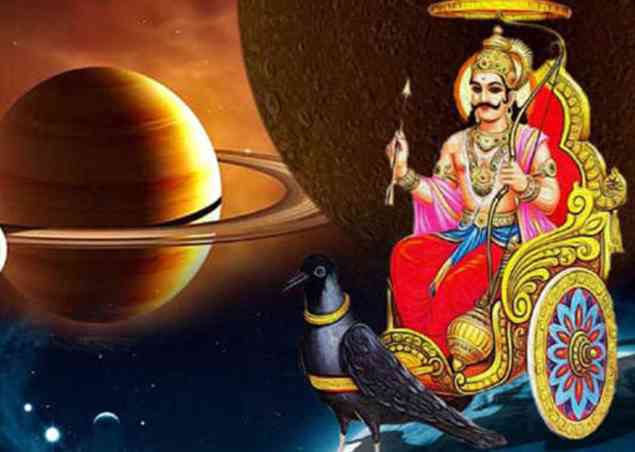
Shani Ke Upay: Saturday Remedies for Saturn, and the Conduct Shani Rewards
Shani is the slowest graha and the strictest: it delays, it tests, and it pays back exactly what was earned. The remedies are simple and mostly kept on Saturday — and the one that matters most is how you treat the people who work for you.
Read Article →Mangal Ke Upay: Tuesday Remedies for Mars, and How They Differ From Manglik Dosh
Mars is energy — and its remedies are about giving that energy somewhere to go. Here is what the tradition prescribes for Mangal, what belongs to Tuesday, and the difference between calming an afflicted Mars and the separate question of Manglik Dosh.
Read Article →Rahu Mahadasha: What the 18 Years Bring, Antardasha by Antardasha
Eighteen years is a long time to be told you are in a bad period — and it is usually not true. Rahu’s dasha is neither good nor bad by itself: it takes its character from where Rahu sits. Here is how to read it, sub-period by sub-period.
Read Article →Santan Prapti Ke Upay: What Tradition Offers Couples Waiting for a Child
For a couple who has been waiting, the first step is a doctor — and nothing here replaces that. What the tradition adds is a set of observances that many families keep alongside treatment. This is what they are, and what they do and do not promise.
Read Article →Simhastha 2028 Ujjain: Kumbh Mela Dates, Snan Days and What Makes Ujjain’s Kumbh Different
Once in twelve years the Kumbh comes to the Shipra. Simhastha 2028 is announced for 27 March to 27 May 2028, with the three main snans on 9 April, 23 April and 8 May. Here is what the dates mean, why Ujjain’s Kumbh has its own name, and how to plan for it.
Read Article →Ujjain Me Ghumne Ki Jagah: 17 Places to Visit in Ujjain, With a 1-Day and 2-Day Plan
Most visitors come to Ujjain for one temple and leave having seen two. The city has a great deal more — a Shakti Peeth, the ashram where Krishna studied, an eighteenth-century observatory, and the ghats of the Shipra. Here are seventeen places, and how to fit them into a day or two.
Read Article →Pradosh Vrat 2026–27: Dates, Katha, Vidhi and the Meaning of Each Weekday’s Pradosh
Twice a month, at twilight on the thirteenth lunar day, Shiva is said to be at his most gracious. Here are the Pradosh Vrat dates through 2027 worked out for Ujjain, the story behind the vrat, and how it is kept.
Read Article →Shivling Par Kya Chadhana Chahiye, Aur Kya Nahi: What to Offer on a Shivling and What to Avoid
Shiva is the easiest deity to please — a lota of water is enough. But the tradition is also specific about a handful of things that are never placed on a Shivling. Here is the full list of both, the reason behind each, and the right way to pour.
Read Article →Pitru Paksha 2026 Calendar: Shradh Dates, 26 Sept – 10 Oct
Pitru Paksha 2026 begins on 26 September and ends with Sarva Pitru Amavasya on 10 October. Here is the tithi-by-tithi calendar, how to work out which day is yours, and what to do if you do not know the date of death.
Read Article →Pitra Dosh: The Complete Guide to Causes, Signs and Remedies
Pitra Dosh is among the most diagnosed and most misdiagnosed conditions in Indian astrology. Here is what it actually means, how it is read in a chart, which rite addresses it — and where the honest limits of the whole idea lie.
Read Article →Shradh, Tarpan and Pind Daan: What the Difference Actually Is
These four words get used interchangeably, and then people book the wrong rite. They are not the same thing, they are not prescribed for the same situations, and the difference is not complicated once someone sets it out.
Read Article →I Do Not Know My Gotra — Can I Still Book a Puja?
It is one of the most common reasons people abandon a booking halfway through, and one of the least necessary. Not knowing your gotra is normal, it has an accepted traditional answer, and it does not stop the ritual.
Read Article →Siddhavat in Ujjain: The Banyan Where Ancestral Rites Are Performed
On the bank of the Shipra stands an ancient banyan counted among four such trees in the whole of the tradition. It is where Ujjain's ancestral rites are performed, and it is the reason families come here for shradh.
Read Article →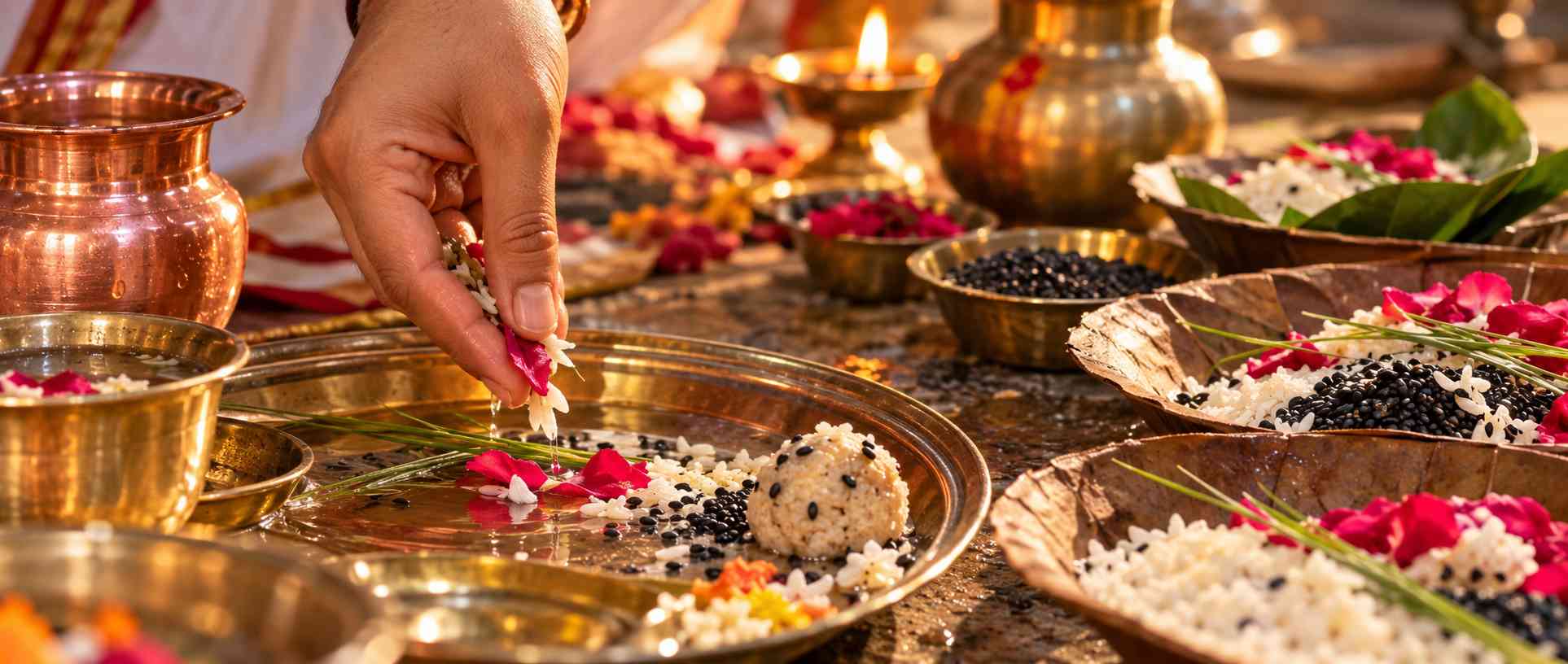
Pind Daan in Ujjain — Siddhavat, Cost, Pitru Paksha 2026 Dates & How to Book
Gaya is the name everyone knows — but Ujjain's Siddhavat is counted among the same set of sacred vat trees, and rites on the Shipra have been performed for centuries. Here is where pind daan happens in Ujjain, what it costs, and how to arrange it if you cannot travel.
Read Article →Which Puja Should You Perform for Pitra Dosh? Choosing the Right Ancestral Rite
Families are usually offered one rite — often the most expensive — before anyone asks what actually happened. Start from your situation instead: here is which ancestral rite tradition points to in each case, and what each one costs.
Read Article →Pitra Dosh in Kundli: How to Check It, and the Placements That Don’t Count
Pitra Dosh is read from two things in a chart: the Sun and the 9th house. Here is what astrologers look for, why two of them can read the same chart differently, the placements that are often over-read, and how to check your own.
Read Article →Pitra Dosh Ke Upay: Remedies You Can Do at Home
Most of what the tradition asks of descendants costs nothing: water offered with remembrance, food given in the ancestors’ name, and a few minutes on every Amavasya. Here are the home remedies for Pitra Dosh, step by step.
Read Article →Tripindi Shradh: What It Is, When It Is Advised, and How It Differs From Narayan Bali
Tripindi Shradh is the rite traditionally advised when the annual shradh has lapsed for three years or more. Here is what it involves, how it differs from Narayan Bali and Pitra Dosh Puja, and how to tell whether it is the rite your family needs.
Read Article →Shradh Puja Online — How It Works, What It Costs, and How to Verify It
An online shradh is either a rite performed specifically for your family, in your name and gotra — or it is not really a shradh at all. Here is what should be performed, what it should cost, and the five questions that separate one from the other.
Read Article →Mahamrityunjay Jaap Kitne Din Ka Hota Hai? Days & Pandits for 11,000, 51,000 and Sawa Lakh
The honest answer is arithmetic, not mystery: the count divided by how many pandits chant and how much each can chant well in a day. Here is that arithmetic for 11,000, 51,000 and sawa lakh, and what it tells you about any quote you are given.
Read Article →Mahamrityunjay Jaap Ke Niyam — Rules, When to Chant, When Not To, and Doing It for Yourself
Most lists of Mahamrityunjay Jaap rules mix up two different things — chanting the mantra yourself, and a formal jaap performed by pandits — and end up frightening people away from a prayer they are fully entitled to say. Here are the rules for each, kept separate.
Read Article →Nadi Dosh Remedy — Why Mahamrityunjay Jaap Is Prescribed, and When Nadi Dosh Is Cancelled
A zero out of eight in the Nadi koot ends more match discussions than any other single score — often without anyone checking whether the dosha is cancelled. Here is how Nadi Dosh is read, the exceptions that dissolve it, and why the Mahamrityunjay Jaap is the remedy when it genuinely applies.
Read Article →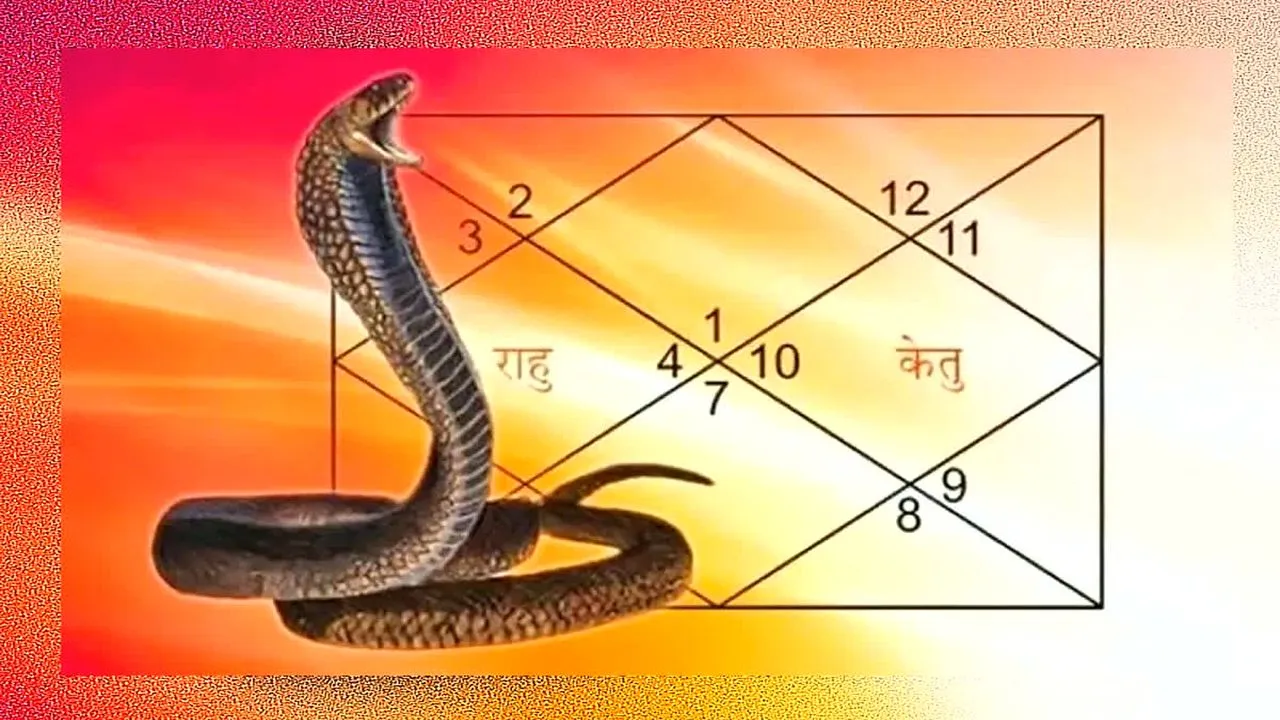
Kaal Sarp Dosh Puja Muhurat 2026–27 — Amavasya, Panchami & Ashlesha Dates for Ujjain
Nag Panchami has passed for this year, but it was never the only day. Here is every Amavasya, Panchami and Ashlesha date for Kaal Sarp Dosh Puja from October 2026 to August 2027, calculated from the Ujjain panchang, and how to pick the right one.
Read Article →Kaal Sarp Puja Ke Niyam — What to Do Before, On the Day, and After the Puja
Most of what people are told about "rules" for Kaal Sarp Puja is either unnecessary or meant to make them anxious. Here is what actually matters the day before, on the day, and in the weeks after — and the things you do not need to worry about at all.
Read Article →Can the Mahamrityunjaya Mantra Cure Disease? How It Helps in Illness — and What It Does Not Do
People search this question at hard moments — when someone they love is ill. It deserves a straight answer: the Mahamrityunjaya Mantra is not a cure and should never replace treatment. What it does, and has done for three thousand years, is something different and real — and worth understanding before you begin.
Read Article →Mahamrityunjaya Mantra for a Sick Family Member — Chanting for Someone Else, at Home or in Hospital
Most people who search for the Mahamrityunjaya Mantra are not searching for themselves. They are sitting beside a hospital bed, or a phone, worried about a parent, a spouse or a child. Here is how to chant it for someone else — simply, correctly, and without adding to anyone's burden.
Read Article →Mahamrityunjay Mantra Se Kya Hota Hai? Effects of Chanting, Listening and Daily Recitation
"Mahamrityunjay mantra se kya hota hai?" is asked a million ways — by someone who just started chanting, someone who only listens to it, and someone afraid they have been saying it wrong. Here is what the tradition says happens, what you can expect to notice, and what you do not need to worry about.
Read Article →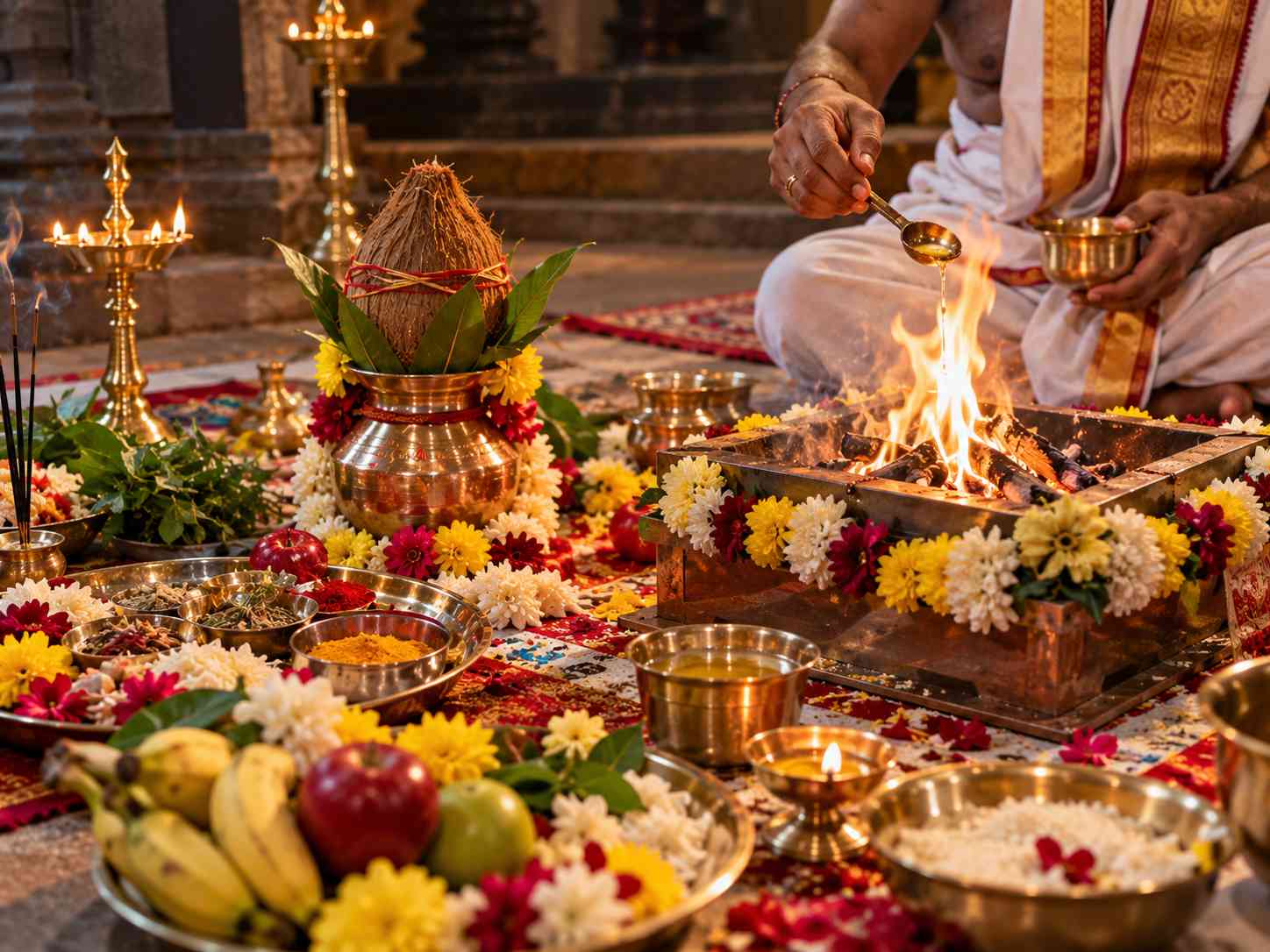
Karz Mukti Ke Upay — What Your Kundali Says About Debt
Debt that will not clear despite steady earning is read in jyotish as rinn — a karmic account rather than a budgeting failure. Here are the exact chart placements our pandits look for, the ones that cancel them, and what you can begin on your own this Tuesday.
Read Article →Nag Panchami 2026 — 17 August on a Sawan Somvar, and Why It Matters for Kaal Sarp Dosh
Nag Panchami 2026 falls on Monday, 17 August — joining the day of the serpents with Shiva's own day, inside Shiva's own month. Ujjain's pandits regard this combination as exceptional for Rahu-Ketu remedies. Here is why, and what the day involves.
Read Article →Mahakaleshwar Jyotirlinga — Who Mahakal Is and Why the Mandir Is Unlike Any Other
Of the twelve Jyotirlingas, only one faces south, and only one is worshipped as the lord of time itself. Here is what the name Mahakal means, the legend behind the mandir, and what makes this temple unlike any other Shiva shrine in India.
Read Article →How NRIs Can Book a Puja in India: The Complete 2026 Guide
You do not need to fly to India to have a puja performed in your name. Here is exactly how it works, what it costs, when it happens in your time zone, and — the part most guides skip — how to tell a genuine service from the many that are not.
Read Article →Is Online Puja Legitimate? What Hindu Tradition Says About Rituals Performed on Your Behalf
It is the question everyone has and few services will answer directly, because answering it honestly means admitting what a remote puja is not. Here is the case for it, the limits of it, and the part where we tell you what no puja can do.
Read Article →Booking a Puja in India From the USA: Time Zones, Payment and What to Expect
A morning puja in Ujjain is your evening at home — which makes booking from the United States easier than most devotees expect. Here is the timing, the payment detail, and what American families most often book.
Read Article →How to Perform Shradh From Abroad When You Cannot Travel to India
The obligation does not lapse because you live eight thousand miles away, and for most families flying back every year is simply not possible. Here is what can be arranged from a distance, what cannot, and how to do it properly rather than guiltily.
Read Article →How to Check an Online Puja Service Is Genuine: An 11-Point Checklist
You are about to send money to strangers in another country for a ritual you cannot attend. That deserves more scrutiny than most people give it. Here are the eleven questions worth asking — including how we answer them ourselves.
Read Article →Booking a Puja in India From the UK: Why the Timing Is the Real Problem
Britain is the one country we serve where a dawn muhurat in Ujjain lands at half past one in the morning. That single fact changes how bookings from the UK should be scheduled — and almost nobody mentions it.
Read Article →Booking a Puja in India From Canada: Both Coasts, and the Affordable Option
Canada spans four and a half time zones, so a page quoting only Toronto is not much use in Surrey. Here are both coasts, what Canadian families actually book, and the option nobody mentions if a full private puja is more than you want to spend.
Read Article →Booking a Puja in India From Dubai and the UAE: The Easiest Time Zone We Serve
At ninety minutes behind India, the Gulf has almost no timing problem to solve — which makes it the most straightforward place we serve. Here is what that means practically, and why India-only prasad delivery is an advantage rather than a limitation here.
Read Article →Booking a Puja in India From Australia: The Best Timing of Any Country We Serve
Being ahead of India rather than behind it means the most auspicious muhurats arrive during your working morning. No compromise, no alarm. Here is the detail, including one thing we will not pretend to do.
Read Article →What Actually Happens After You Book a Puja With Us
The gap between paying and hearing anything back is where most doubt lives, particularly if you have booked from another country. Here is the entire sequence, including the parts that go wrong and what we do about them.
Read Article →The 12 Types of Kaal Sarp Dosh, Explained One by One
Which of the twelve you have depends entirely on which house axis Rahu and Ketu occupy. Here is each one named, defined and described — and an honest answer on whether the type actually changes what you should do.
Read Article →Not Everyone Has Kaal Sarp Dosh: How Over-Diagnosis Happens
Kaal Sarp Dosh is among the most over-diagnosed conditions in Indian astrology, and the reason is straightforward: it is easy to claim, hard for a layperson to check, and frightening enough to sell. Here is how to check it yourself.
Read Article →How to Check Kaal Sarp Dosh in Your Own Kundali
You do not need to be an astrologer to establish whether this yog is formed in your chart. It requires reading one thing: whether all seven other planets sit on one side of the Rahu-Ketu axis. Here is how.
Read Article →Ujjain, Trimbakeshwar or Kalahasti: Where Should Kaal Sarp Puja Be Performed?
We perform this puja in Ujjain, so treat what follows accordingly — but the honest answer is that Trimbakeshwar carries the strongest classical association for this particular rite, and for some families it is the right choice.
Read Article →Manglik Dosh Cancellation Rules: What Actually Cancels It, and What Does Not
A large proportion of charts flagged as Manglik carry a recognised cancelling condition — and it frequently goes unmentioned. Here are the conditions, why practitioners disagree about them, and what to ask.
Read Article →Does Manglik Dosh End at 28? What the Claim Rests On
You will hear it from relatives, matrimonial sites and plenty of astrologers: Manglik dosh stops mattering after 28. The claim is extremely widespread and its classical footing is much weaker than its confidence suggests.
Read Article →What Happens If a Manglik Marries a Non-Manglik?
This is the question behind most Manglik enquiries, and it is rarely answered without either dismissing the tradition or catastrophising it. Here is what is traditionally held, what it does not say, and what to do when one family believes and the other does not.
Read Article →Manglik Matching in NRI Marriages: When the Families Are on Two Continents
For families abroad this is often the first serious encounter with kundali matching — and it tends to arrive at the worst possible moment, with a wedding date fixed and two families disagreeing.
Read Article →Laghu, Maha and Ati Rudrabhishek: What Actually Differs
The difference is one of scale, not of kind — and the honest answer to "which should I choose" is usually not the largest one. Here is what separates them and when a bigger anushthan is genuinely warranted.
Read Article →The Abhishek Dravyas: What Each Offering in a Rudrabhishek Means
A Rudrabhishek is a sequence of substances poured over the Shivling while the Rudri is recited. Each one carries a specific traditional association — and knowing them changes what you are watching.
Read Article →Rudrabhishek or Mahamrityunjay Jaap: Which Do You Actually Need?
Both are Shiva observances, both get recommended for broadly similar concerns, and people frequently book one when the tradition would point to the other. The distinction is not complicated.
Read Article →Mahamrityunjay Jaap Before Surgery or During Serious Illness
This is one of the most common reasons families contact us, and usually at short notice. Here is how it is arranged, what count is appropriate, and — stated plainly — what it is not a substitute for.
Read Article →Kaal Bhairav Temple, Ujjain: The Shrine Where Liquor Is the Offering
A few kilometres from Mahakaleshwar sits a temple where the offering handed across the counter is a bottle of liquor. It is one of the most striking things in Ujjain, and one of the most misunderstood.
Read Article →Why Ujjain Was the Greenwich of Indian Astronomy
Long before it was a pilgrimage city, Ujjain was a scientific one — the point from which Indian astronomers reckoned longitude and calculated time. That history is the reason it is associated with jyotish at all.
Read Article →Is a Puja Performed in Ujjain More Powerful? An Honest Answer
We perform pujas in Ujjain and therefore have an obvious interest in your believing this. Here is what the tradition actually claims about place, what it does not, and where the honest limits are.
Read Article →What Is Sankalp, and Why It Makes a Remote Puja Yours
It is the thirty seconds at the start of a puja that most people talk over, and it is the part that determines whose ritual it is. Once you know what is being said, you can never quite ignore it again.
Read Article →Puja, Havan, Yajna, Abhishek, Jaap: The Vocabulary Explained
These words are not synonyms, and using them interchangeably is how people end up booking the wrong rite. Each one names a specific kind of act. Here they are, plainly.
Read Article →Jaap, Havan and Anushthan: What the Difference Means for What You Pay
When two quotes for "the same ritual" differ by a factor of ten, this is usually why. The three forms are not interchangeable, and knowing which you are being sold is the whole of the defence.
Read Article →Gemstone or Puja: Which Remedy Is Right, and Who Should You Trust?
We do not sell gemstones, which makes this easier to write honestly than it would be for most people offering you astrological advice. Here is how the remedies compare and why one of them dominates the sales conversation.
Read Article →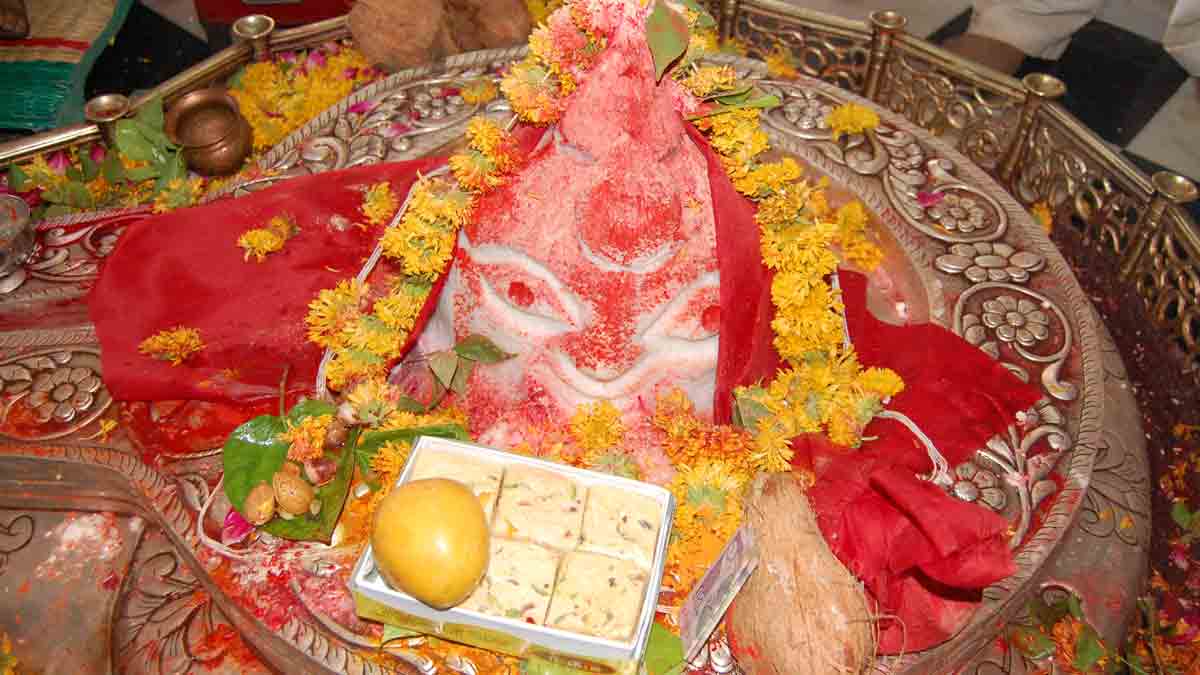
Bhat Puja in Ujjain — Significance, Vidhi & How to Book
Bhat Puja in Ujjain — the city regarded as the birthplace of Mars — is considered the definitive remedy for Mangal Dosh. Here is why the city carries that significance, and what the ritual means.
Read Article →Ujjain — The Birthplace of Mars
Ujjain is the only city in the world held to be the birthplace of Mars. Learn its mythology, the power of Bhaat Puja, and why it is the definitive remedy for Mangal Dosh.
Read Article →Are You Manglik? How to Check Your Kundali and Which Puja Removes Mangal Dosh
Roughly four in ten kundalis carry some degree of Mangal Dosh — but "Manglik" is not one condition, and it does not always need the same remedy. Here is how the dosh is actually read, when classical rules cancel it, and which puja matches which strength.
Read Article →Bhaat Puja Vidhi in Ujjain — Samagri, Muhurat and What Actually Happens
Bhaat Puja is named for the rice offered to Mars — but the ritual is far more than that one act. Here is the full vidhi as performed in Ujjain, stage by stage, with the samagri involved, the muhurat that matters, and how long you should set aside.
Read Article →Mahamrityunjaya Mantra — Meaning, Word by Word, Benefits & How to Chant
The Mahamrityunjaya Mantra is the Vedas' great prayer against untimely death. Here is the full text, its word-by-word meaning, where it comes from, and the traditional method for chanting it correctly at home.
Read Article →Mahakal Sawari 2026 — All 6 Dates, Route, Timing & Shahi Sawari
Six times between 3 August and 7 September 2026, Mahakal leaves his temple and travels through Ujjain as its ruler. Here are all six Sawari dates, the timing, the route, and honest advice on managing the crowds.
Read Article →Sawan Somvar Vrat — Vidhi, Niyam, Puja Method & What to Avoid
The Sawan Somvar vrat is the most widely kept fast in the Shaiva calendar. Here is the complete method — how to observe the fast, the puja vidhi step by step, what may and may not be offered to the Shivling, and the rules the shastras actually specify.
Read Article →Shahi Sawari 2026 — 7 September, Ujjain's Grandest Night of the Year
On 7 September 2026, Mahakal makes his final journey of the season through Ujjain — the Shahi Sawari, the largest single gathering the city sees all year. Here is what happens, why it is different, and how to be there without being overwhelmed.
Read Article →Ujjain Festival Calendar 2026 — Every Date from Sawan to Pitru Paksha
From the start of Sawan on 30 July through to Sarva Pitri Amavasya on 10 October, here is every significant date in Ujjain's 2026 calendar — the Somvars, the Sawaris, the Shivratris and the ancestral fortnight — with the ritual traditionally performed on each.
Read Article →Ujjain Mahakaleshwar Temple Guide — Darshan Timings, Bhasma Aarti & How to Reach
Ujjain Mahakaleshwar is the only south-facing Jyotirlinga among the twelve, and his darshan is among the most sought-after in India. Here is the complete guide — temple timings, Bhasma Aarti, how to reach, live darshan from home, and the rituals of Mahakal's city.
Read Article →Bhasma Aarti Ujjain — Mahakal Bhasma Aarti Darshan Booking 2026 (Official Process, Fee & Rules)
Bhasma Aarti seats are the hardest darshan tickets in India — demand outstrips seats every single day. Here is the official Bhasma Aarti Ujjain booking process for 2026, the real fee, the rules they strictly enforce, and your options when slots are gone.
Read Article →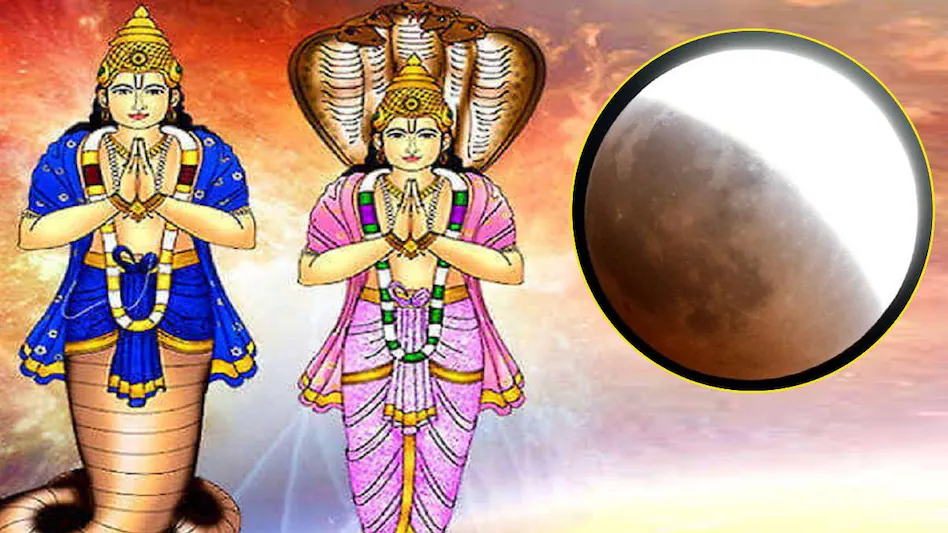
Vish Dosh Puja in Ujjain — Meaning, Effects & Vidhi
When the Moon and Saturn sit together or in mutual aspect, jyotish calls it Vish Dosh — a slow, corrosive pressure on the mind rather than a single dramatic event. Here is the complete guide to Vish Dosh and its puja remedy in Ujjain.
Read Article →Shani Sade Sati 2026 — Which Rashis Are Affected, Signs & the Ujjain Puja Remedy
Sade Sati — Saturn's seven-and-a-half-year transit over your Moon sign — is the most feared period in Vedic astrology, and in 2026 it runs for Kumbh, Meena, and Mesh rashis. Here is what it actually does, and the remedy tradition prescribes.
Read Article →Sawan 2026 in Ujjain — Dates, Sawan Somvar, Mahakal Sawari & Best Pujas
Sawan 2026 begins on 30 July and ends on 28 August in Ujjain. Here are the four Sawan Somvar dates, the Mahakal Sawari Mondays, Sawan Shivratri, and a rare Nag Panchami that falls on a Somvar — with the pujas to book for each.
Read Article →Kaal Sarp Dosh Puja Vidhi — What Each Step Means & Best Dates 2026
Kaal Sarp Dosh Puja is a complete surrender to Rahu and Ketu, performed in the one city where Shiva himself rules over time. Here is what each part of the vidhi means, and when to have it done.
Read Article →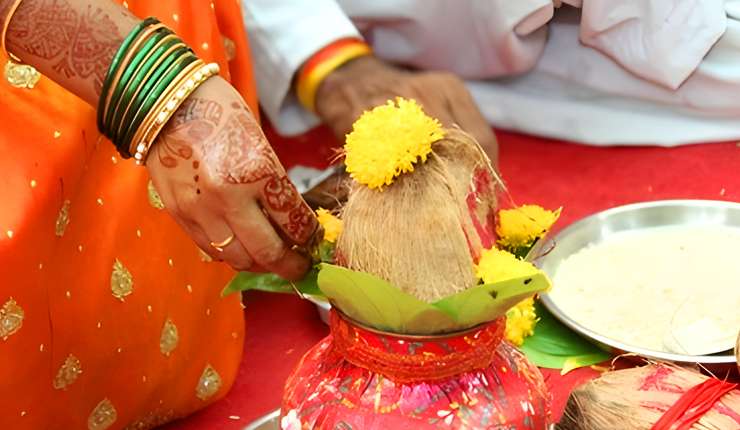
Kumbh Vivah & Ark Vivah — The Manglik Dosh Marriage Remedies Explained
For strong Manglik Dosh, the shastras prescribe a symbolic first marriage — Kumbh Vivah for the bride, Ark Vivah for the groom — so that the dosh's force is spent before the real wedding. Here is how both remedies work.
Read Article →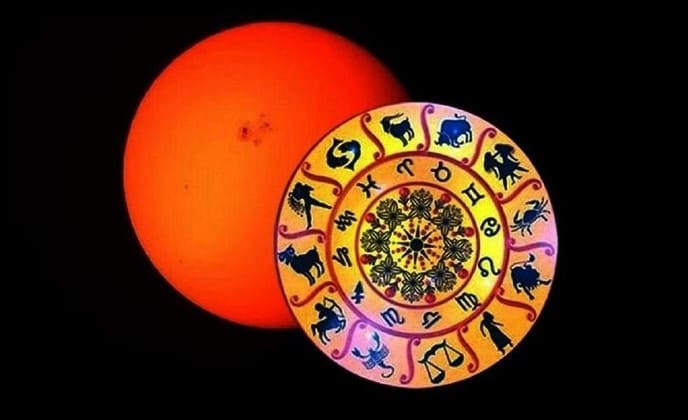
Grahan Dosh Puja in Ujjain — Meaning, Signs & Vidhi
Grahan Dosh forms in the charts of those born during a solar or lunar eclipse, when Rahu or Ketu seizes the Sun or Moon. Here is what it means, how it shows, and the complete guide to its nivaran puja in Ujjain.
Read Article →Rinn Mukti Puja in Ujjain — The Vedic Remedy for Debt (Karz Mukti)
When debt persists year after year despite earning and effort, jyotish reads it as rinn — a karmic account, most often of an afflicted Mars. The Rinn Mukti Puja is the classical remedy. Here is the complete guide.
Read Article →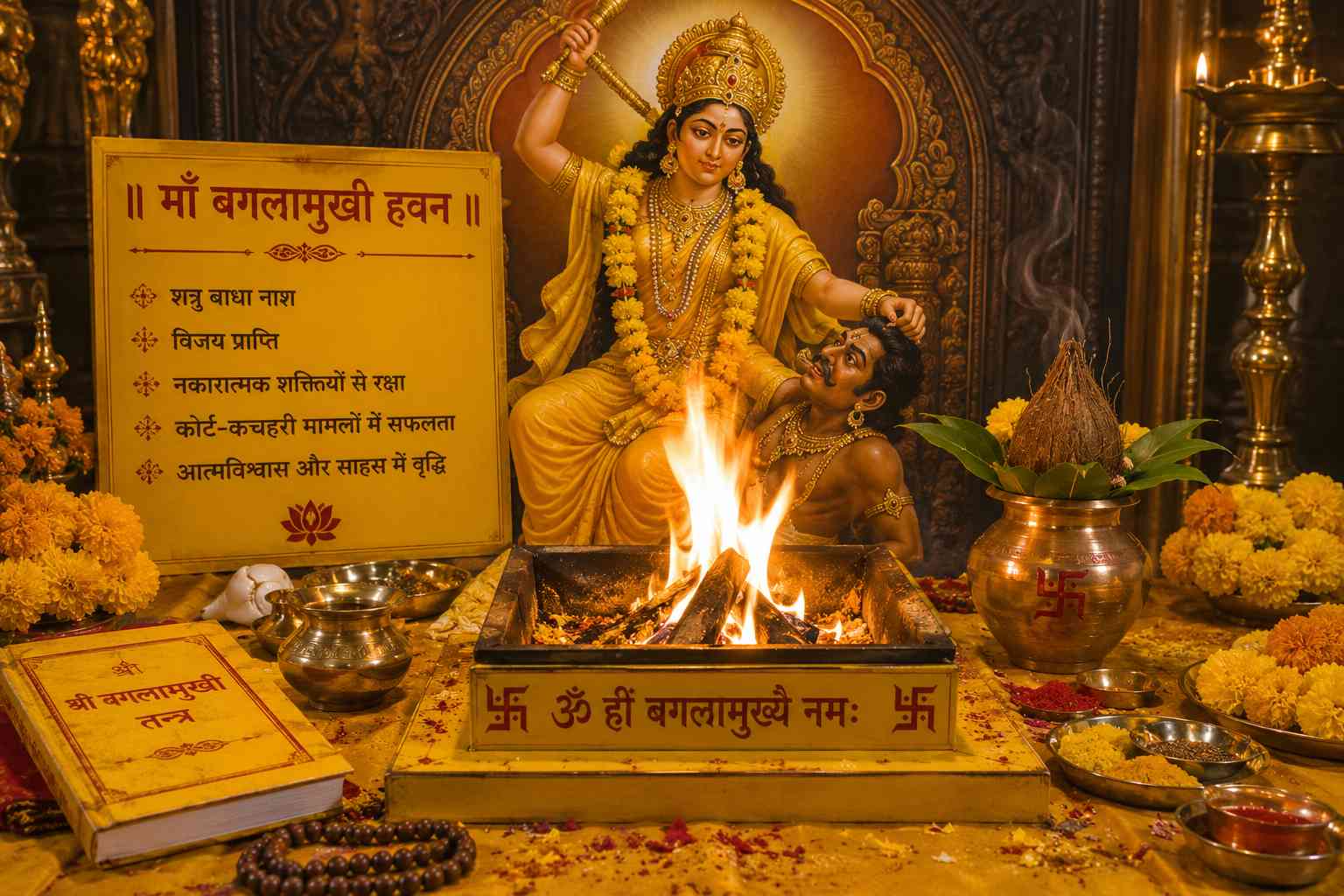
Maa Baglamukhi Havan — Court Cases, Enemies & Victory: The Complete Guide
Maa Baglamukhi is the Mahavidya who stills the tongue and hand of the opponent — the deity tradition turns to for court cases, false accusations, and open enemies. Here is the complete guide to her havan: who it is for, the vidhi, and the cost.
Read Article →How to Attend a Puja Online from Home — A Complete Guide
Online puja participation has made it possible to have authentic rituals performed at sacred temples like Ujjain's Mahakaleshwar, no matter where you live. Here is everything you need to know.
Read Article →Kaal Sarp Dosh — Signs, Effects and Remedy
Kaal Sarp Dosh is formed when all seven planets sit between Rahu and Ketu in a birth chart. Discover the signs, effects, and how an authentic puja in Ujjain can remedy it.
Read Article →A Message from Panditji
Hear directly from our Panditji on how your puja is performed with complete devotion and care, in your name and gotra.
No offerings chosen yet